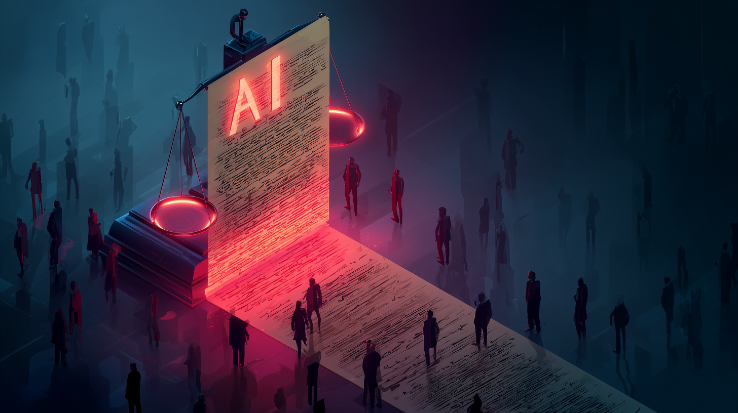
What is a false positive in AI detection?
A false positive happens when an AI detector says “this text is probably AI-generated” but the text was actually written by a human.
This can create serious problems if teachers, managers or platforms treat the detector as a final authority.
Why human writing can look “AI-like”
There are several reasons why purely human text may trigger an AI detector:
- Very formal style: academic essays, reports and manuals often have predictable patterns.
- Limited vocabulary: non-native speakers may reuse safe phrases and simple structures.
- Templates: emails, cover letters and corporate documents follow common patterns.
Short texts are especially risky
Many AI detectors struggle with short texts (a few sentences or a single paragraph). With so little data, small variations can change the score drastically – for human or AI text.
Model drift and training data limits
Detectors are trained on examples of “AI text” and “human text”. But:
- Newer AI models may not match the old training patterns.
- Human writing styles are extremely diverse.
- Language evolves quickly, especially online.
Why false positives are dangerous
Treating AI detectors as perfect can harm innocent people:
- Students wrongly accused of cheating.
- Job applicants rejected without explanation.
- Writers and freelancers judged unfairly.
How to use AI detectors more fairly
If you’re in a position where you need to evaluate text (teacher, manager, editor), consider this:
- Use detector scores as a starting point, not a final decision.
- Talk to the person and ask for drafts, notes or previous work.
- Look at consistency with their past writing style.
What writers can do if their text is flagged
If your human-written text is marked as “likely AI”, you can:
- Stay calm and ask which tool was used and how.
- Show earlier drafts, outlines or notes to prove authorship.
- Ask for a human review instead of an automated verdict.