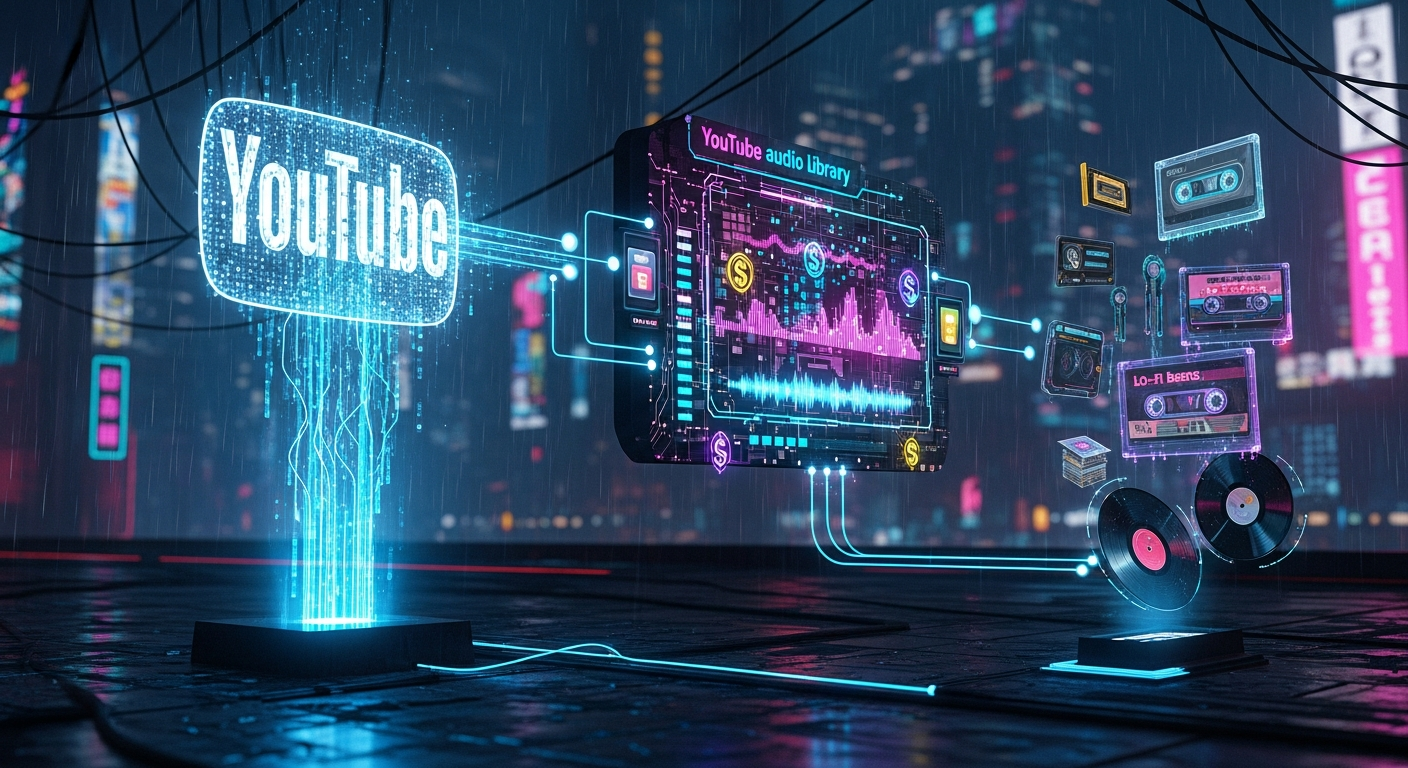
Unlocking Serenity & Streams: Your Guide to Passive Income with YouTube Audio Library and Lo-Fi Beats
Quick Answer (TL;DR)
- Leverage the YouTube Audio Library for free, monetizable background music and sound effects.
- Curate and compile these assets into long-form lo-fi beat compilations or ambient soundscapes.
- Optimize your YouTube channel with compelling visuals, strong SEO (titles, descriptions, tags), and consistent uploads to attract a dedicated audience.
- Monetize through the YouTube Partner Program (AdSense), Super Chat, Channel Memberships, and potentially affiliate marketing or merchandise.
- Utilize free or affordable tools like Audacity, DaVinci Resolve, and Canva for audio editing, video creation, and visual design to maintain low startup costs.
The digital soundscape is constantly evolving, and amidst the clamor of high-energy tracks and viral sensations, a quiet revolution has been brewing: the rise of lo-fi beats. This genre, characterized by its mellow rhythms, nostalgic samples, and often subtle imperfections, has transcended mere music to become a cultural phenomenon, serving as the perfect sonic backdrop for studying, working, relaxing, or simply existing. What many don't realize is that this tranquil corner of the internet offers a surprisingly robust pathway to generating passive income. By intelligently curating and compiling music from the vast, free resources of the YouTube Audio Library, anyone can tap into this demand, creating a stream of revenue that flows even while they sleep.
This comprehensive guide will demystify the process, taking you from understanding the appeal of lo-fi to the practical steps of building and monetizing your own YouTube channel. We will explore how to navigate the intricacies of copyright-free music, craft engaging audio-visual experiences, optimize your content for discoverability, and leverage various monetization strategies. The beauty of this approach lies in its accessibility: with minimal initial investment and a willingness to learn, you can transform readily available resources into a sustainable income stream, all while contributing to the ever-growing library of calming sounds that soothe the digital world. Prepare to embark on a journey that combines creativity, technical know-how, and strategic thinking to build a truly passive income empire, one chill beat at a time.
Understanding the Lo-Fi Phenomenon and Passive Income Potential
The ascendancy of lo-fi beats from niche genre to mainstream background music is a testament to its unique appeal in a fast-paced, often overwhelming world. Lo-fi, short for "low fidelity," embraces imperfections, often featuring deliberately degraded sound quality, vinyl crackles, muffled samples, and a generally laid-back, unpolished aesthetic. This deliberate lack of pristine production quality is precisely what gives it its charm and relatability. It evokes a sense of nostalgia, comfort, and an almost analogue warmth that digital perfection often lacks. Its repetitive, unobtrusive nature makes it ideal for focused work, deep study sessions, meditation, or simply unwinding after a long day. Channels like "Lofi Girl" (formerly ChilledCow) have pioneered 24/7 live streams, attracting millions of concurrent viewers and establishing lo-fi as a ubiquitous presence in the online productivity and relaxation spheres.
The passive income potential stems directly from this consistent, high demand for background audio. Unlike viral content that spikes and fades, lo-fi channels thrive on sustained viewership over long durations. People often leave lo-fi streams or compilations playing for hours while they work or study, leading to significant accumulated watch time. This extended engagement is a goldmine for YouTube monetization, primarily through advertising revenue. The more minutes people spend watching your content, the more ad impressions your channel generates, translating directly into earnings. Furthermore, the evergreen nature of lo-fi means that content created today can continue to generate income for years to come, unlike topical videos that quickly become outdated. Once your channel is established and your videos are indexed by YouTube's algorithm, they can attract new viewers passively, requiring minimal ongoing effort beyond initial content creation and occasional maintenance.
Beyond traditional ad revenue, the lo-fi niche opens doors to other passive income streams. Channel memberships allow dedicated fans to subscribe for exclusive perks, providing a stable, recurring income. Super Chat and Super Stickers during live streams offer direct contributions from viewers. Merchandise sales, such as branded apparel or accessories, can further diversify revenue. Affiliate marketing, by recommending study tools, headphones, or other related products in your video descriptions, adds another layer. The beauty is that the core product – the lo-fi compilation – is relatively low-cost to produce, especially when utilizing free resources like the YouTube Audio Library. This significantly lowers the barrier to entry, making it an attractive venture for aspiring creators without large budgets for music licensing or professional production equipment. Understanding this ecosystem of demand, sustained engagement, and diversified monetization is the first crucial step towards building a successful passive income channel in the lo-fi space.
The psychological aspect of lo-fi also plays a significant role in its enduring popularity and, by extension, its income potential. The consistent, predictable rhythm and lack of sudden dynamic shifts create an environment conducive to concentration and relaxation. It provides just enough auditory stimulation to prevent boredom without being distracting. This makes it a go-to choice for students cramming for exams, remote workers battling distractions, or anyone seeking a calming presence. By catering to this fundamental human need for focus and tranquility, lo-fi channels tap into a perpetual demand that isn't subject to fleeting trends. This intrinsic utility ensures that once a viewer discovers a channel that resonates with them, they are likely to return repeatedly, building a loyal audience that forms the bedrock of a sustainable passive income model. The genre's ability to facilitate productivity and peace makes it an indispensable tool for millions, ensuring its longevity and continued profitability for creators who understand how to package and present it effectively.
Navigating the YouTube Audio Library: Your Free Sonic Goldmine
The YouTube Audio Library is an often-underestimated resource, a veritable treasure trove for creators seeking free, high-quality music and sound effects for their videos. For anyone looking to produce lo-fi compilations without incurring licensing fees or risking copyright strikes, understanding and effectively utilizing this library is paramount. It serves as your primary source of raw audio material, offering a vast selection of tracks that are cleared for use on YouTube, including monetization. Accessing it is straightforward: simply log into your YouTube Studio, navigate to the left-hand menu, and click on "Audio Library."
Once inside, you'll be greeted by a robust search and filter system. This is where your strategic selection begins. You can filter by genre, mood, instrument, duration, and even attribution type. For lo-fi, you'll want to experiment with moods like "Calm," "Meditative," "Relaxing," or "Ambient." Genres like "Cinematic" or "Pop" might also yield surprising lo-fi-esque gems when slowed down or layered. Pay close attention to the "Attribution" column. Many tracks are "free to use" without any attribution required, which is ideal as it simplifies your video descriptions and prevents clutter. However, some tracks require "Attribution," meaning you must credit the artist and track title in your video description, often by copying and pasting a provided text snippet. Always double-check these requirements before publishing, as failing to provide attribution can lead to copyright claims, even if the music is technically "free."
Downloading tracks is simple: just click the download icon next to your chosen piece. It's advisable to create an organized folder structure on your computer to store these downloads, perhaps categorized by mood, tempo, or potential use. This will streamline your compilation process later. As you explore, remember that the YouTube Audio Library is constantly updated, so regular visits can reveal new tracks perfect for your growing collection. Don't limit yourself solely to instrumental tracks; subtle sound effects like rain, distant city sounds, or crackling fires can significantly enhance the lo-fi atmosphere. These can often be found within the "Sound effects" tab of the library, offering a diverse range of ambient textures to layer into your mixes.
A critical aspect of navigating this library is understanding its limitations and best practices. While the music is free to use on YouTube, it's generally not licensed for commercial use outside of YouTube without further investigation. For your lo-fi channel, this is usually not an issue as your primary monetization will be on the platform itself. However, if you plan to repurpose the audio for other commercial projects, always verify the specific license. Another consideration is the sheer volume of content. It can be overwhelming. Develop a system for previewing and selecting tracks efficiently. Listen for loops, consistent tempos, and a general vibe that aligns with the lo-fi aesthetic. Not every "calm" track will fit perfectly, so a discerning ear is essential. By mastering the YouTube Audio Library, you unlock a sustainable, legal, and cost-effective source of high-quality audio that forms the very foundation of your passive income venture in the lo-fi space, ensuring your creative efforts are both compliant and profitable.
Furthermore, while the library provides excellent base tracks, consider them as starting points. Many lo-fi producers utilize these tracks as background elements and then add their own unique flourishes, such as subtle tape hiss, vinyl crackle effects, or very light reverb and delay to give it that signature lo-fi feel. The key is to transform the raw material into something distinctively "yours" while still adhering to the licensing terms. This creative layering and subtle manipulation can elevate a generic background track into a truly immersive lo-fi experience. Always maintain a clear record of the tracks you use and their attribution requirements, perhaps in a simple spreadsheet, to avoid any future compliance issues. This meticulous approach ensures that your passive income stream remains uninterrupted and your channel stands as a beacon of legitimate, high-quality lo-fi content.
Crafting Your Lo-Fi Masterpiece: From Selection to Compilation
Creating a compelling lo-fi compilation is an art form that transcends merely stitching together tracks. It involves careful selection, seamless integration, and an understanding of the subtle nuances that define the genre's appeal. The goal is to produce an unbroken, immersive soundscape that encourages long listening sessions, providing the perfect backdrop for focus or relaxation. The journey begins with the meticulous selection of tracks from the YouTube Audio Library, as discussed, but extends far beyond that initial download.
Firstly, focus on mood and consistency. Lo-fi thrives on a coherent atmosphere. Whether your compilation aims for a "rainy day study session" vibe, a "late-night chill" feel, or an "optimistic morning work" backdrop, every track and sound effect should contribute to that overarching theme. Look for instrumental tracks with consistent tempos (generally between 60-90 BPM for lo-fi), minimal vocal interference, and a warm, slightly melancholic or nostalgic quality. Avoid tracks with sudden changes in dynamics or jarring instrumentation. Once you have a collection of potential tracks, preview them together to ensure they flow harmoniously. Don't be afraid to experiment with slowing down tracks slightly or adjusting their pitch to better fit the lo-fi aesthetic and create seamless transitions between different pieces.
Turn your scripts into professional videos automatically. Use code PAVEL20 for 20% OFF!
START CREATING WITH PICTORYNext, consider the power of layering. While the YouTube Audio Library provides excellent base music, the true lo-fi magic often comes from adding atmospheric elements. Think of the iconic vinyl crackle, the gentle patter of rain, distant thunder, the subtle hum of an old fan, or the distant sounds of a bustling city. These ambient sounds, also available in the Audio Library's sound effects section or other royalty-free sources, can transform a simple instrumental into a rich, immersive soundscape. When layering, ensure these effects are subtle and blend into the background, never overpowering the music. Use volume automation to gently bring them in and out, preventing abrupt changes. The goal is to create an auditory environment, not just a playlist.
The compilation process itself requires basic audio editing software. Free options like Audacity (for Windows/macOS/Linux) or GarageBand (for macOS/iOS) are perfectly adequate. For more advanced control, paid DAWs (Digital Audio Workstations) like FL Studio or Ableton Live offer greater flexibility but are not strictly necessary for initial compilations. In your chosen editor, arrange your selected tracks end-to-end. Focus on smooth transitions between songs. Crossfading is essential here – gently fade out one track as the next one fades in, ensuring there are no jarring silences or abrupt cuts. The duration of your compilation is also a key factor. Lo-fi channels often feature videos ranging from 30 minutes to several hours, or even 24/7 live streams. Longer videos encourage longer watch times, which is beneficial for monetization. Aim for at least an hour for your initial compilations to give viewers ample time to settle in.
Finally, the visual component is just as crucial as the audio. Lo-fi videos are renowned for their captivating, often looping, aesthetic. Static images, subtle animations, or looped GIFs are common. Think of serene scenes: a cozy room with rain outside, a city skyline at night, an anime character studying, or abstract, calming visuals. Tools like Canva, Pixabay, or Pexels offer free stock images and videos. You can use simple video editing software (e.g., DaVinci Resolve Free, Shotcut, or even CapCut on mobile) to combine your audio compilation with a looping visual. Ensure the visual is high quality, relevant to the mood, and doesn't distract from the audio. A well-designed visual loop, combined with your perfectly curated audio, creates an irresistible package that maximizes viewer engagement and watch time, laying the groundwork for substantial passive income.
Remember to also include a clear tracklist in your video description, especially if you're using tracks that require attribution. This not only fulfills licensing requirements but also allows listeners to discover individual artists they enjoy, fostering a sense of community and transparency. Some creators even timestamp each track in the description, allowing viewers to skip to their favorites. This attention to detail elevates your compilation from a mere collection of songs to a thoughtfully crafted experience, demonstrating professionalism and respect for both the artists and your audience. The cumulative effect of careful selection, expert layering, seamless editing, and captivating visuals is what transforms raw audio into a "lo-fi masterpiece" – a product that not only entertains but also generates consistent passive income.
Monetization Strategies and YouTube Channel Optimization
Once your lo-fi masterpieces are crafted and uploaded, the next critical phase is to ensure they are seen, enjoyed, and ultimately, generate income. This involves strategically monetizing your channel and optimizing every aspect of your content for YouTube's algorithm and user discoverability. Passive income from YouTube doesn't magically appear; it's the result of diligent optimization and leveraging the platform's diverse monetization tools.
The primary monetization avenue for most YouTube creators is the YouTube Partner Program (YPP). To qualify, your channel typically needs at least 1,000 subscribers and 4,000 valid public watch hours in the past 12 months, or 10 million valid public Shorts views in 90 days. For lo-fi channels, the 4,000 watch hours are usually the more attainable goal due to the long-form nature of the content. Once accepted into YPP, you can enable AdSense, allowing advertisements to run on your videos. Revenue is generated from impressions and clicks on these ads. The longer viewers watch your videos, the more ad opportunities arise, making lo-fi's extended watch times particularly lucrative. Ensure your content adheres strictly to YouTube's advertiser-friendly guidelines to maximize ad revenue and avoid demonetization.
Beyond AdSense, YouTube offers several other monetization features that lo-fi channels can effectively utilize. Channel Memberships allow your most dedicated fans to pay a monthly recurring fee for exclusive perks, such as custom emojis, loyalty badges, or even early access to new compilations. Super Chat and Super Stickers are popular during live streams, enabling viewers to pay to highlight their messages in the chat, which is particularly effective for 24/7 lo-fi streams that foster a strong community. The Merchandise Shelf allows you to sell branded products directly from your channel, offering another stream of passive income once the initial setup is complete. Consider lo-fi themed merchandise like t-shirts, mugs, or even vinyl records if you collaborate with artists.
However, monetization is only as effective as your discoverability. This is where YouTube SEO and channel optimization become paramount. Start with compelling Titles. They should be descriptive, keyword-rich, and engaging. Instead of "Lo-fi Beats," try "Rainy Day Lo-fi Beats for Study & Relaxation | Focus Music." Incorporate relevant keywords that people search for, such as "study music," "sleep music," "chill beats," "focus music," "ambient," and "lo-fi hip hop." Your Video Descriptions are equally vital. Use the first few lines to summarize the video's content and include your main keywords. Then, expand with a detailed tracklist (crucial for attribution), links to your social media, and any other relevant information. YouTube's algorithm scans these descriptions for context, so make them comprehensive.
Tags, though less impactful than titles and descriptions, still play a role. Use a mix of broad and specific tags related to lo-fi, study, relaxation, and instrumental music. Thumbnails are perhaps the most critical visual element for click-through rate. A captivating thumbnail can make or break a video's performance. For lo-fi, focus on calming, aesthetic visuals that convey the mood of your compilation. Consistent branding across your thumbnails helps viewers instantly recognize your content. Finally, leverage Playlists to organize your content (e.g., "Morning Lo-fi," "Night Study Beats"). Playlists encourage continuous viewing and can boost overall watch time. Utilize End Screens and Cards to promote other videos on your channel, encouraging viewers to stay within your ecosystem. By meticulously optimizing each of these elements, you not only attract more viewers but also signal to YouTube's algorithm that your content is valuable and relevant, leading to increased exposure and, consequently, greater passive income.
Furthermore, understanding YouTube Analytics is crucial for continuous optimization. Monitor metrics like average view duration, click-through rate (CTR) of your thumbnails, and traffic sources. Identify which videos perform best and why, then replicate those successes. Pay attention to audience retention graphs to see where viewers drop off, which can inform future editing decisions. By continually refining your strategy based on data, you can ensure your channel remains competitive and maximizes its passive income potential. Consistency in uploading high-quality, optimized content is key to building a loyal audience and a sustainable revenue stream in the lo-fi niche.
Essential Tools and Software for Lo-Fi Beatmakers and Curators
Embarking on the journey of creating passive income through lo-fi beats with the YouTube Audio Library doesn't require an astronomical budget for professional software. In fact, many excellent tools are available for free or at a very low cost, making this venture accessible to almost anyone. The right toolkit can streamline your workflow, enhance your audio-visual output, and ensure your content meets the high standards of the lo-fi community. This section will detail the essential software and solutions needed for every stage of your creative process.
For **Audio Editing and Compilation**, the heart of your lo-fi creation, several robust options exist. The absolute best starting point for beginners, and one that remains powerful even for experienced users, is Audacity. This free, open-source audio editor is available for Windows, macOS, and Linux. It allows you to import multiple audio tracks, trim, cut, crossfade, adjust volume, apply basic effects (like reverb or compression), and export your final compilation in various formats. Its simplicity makes it ideal for stitching together tracks from the YouTube Audio Library and adding subtle sound effects. For macOS users, GarageBand, which comes pre-installed, offers a more intuitive, DAW-like interface with a broader range of instruments and effects, though its primary use here would be for advanced editing and layering. If you're ready to invest, entry-level Digital Audio Workstations (DAWs) like FL Studio Producer Edition or Ableton Live Lite (often bundled with hardware) provide professional-... and implement these strategies to ensure long-term success.
Conclusion
In summary, staying ahead of these trends is the key to business longevity and security. By following this guide, you maximize your growth and ensure a stable digital future.
Don't wait for the headlines. Our Private Telegram Channel delivers real-time AI security updates and digital wealth strategies before they go viral. Stay protected. Stay ahead.
⚡ JOIN THE 1% NOW🧰 Try Our Free Tools & Calculators
No sign-up required. Instantly check risks, analyze AI text, or calculate your digital finances.